7 Most Common Myths and Facts About Solar Energy
Having solar installation sounds exciting until someone says, “Arre, ye toh kaam ka nahi hota” (they are useless). Mixed opinions and half-baked advice around solar often create confusion and make people delay the decision-making. Solar energy can potentially offer advantages for many years and tends to deliver reliable power. Though many myths revolve around solar energy that create confusion about its actual performance and the benefits it has to offer.
7 Common Solar Myths Explained With Facts
You often keep pushing the solar energy decisions due to the untrue information. Now, let’s burst those myths and explore the facts that truly matter.
Myth 1: Solar Panel Stops Power Generation on Cold, Cloudy or Rainy Days
Fact: Solar panels work in daylight and don’t require direct sunlight all the time.
Surprised? Yes, This is one of the most widespread misconceptions. While it’s true that solar panels perform best under direct sunlight, they don’t completely stop working on cloudy or rainy days. Instead, their output slightly reduces, depending on weather conditions, but it never drops to zero. In fact, countries like Germany, where sunlight is far less intense than in India, successfully generate a significant portion of their energy through solar power.
What this means for you: Even in varying weather conditions, a well-designed solar system continues to produce consistent energy throughout the year.
Tip: Planned system design, panel orientation, and location planning play a crucial role in maximising output, even during low sunlight conditions.
Myth 2: Solar Panels Are Only Suitable for New or Modern Buildings
Fact: Solar comes in scalable sizes with different wattages.
Many people assume that solar is only meant for newly constructed homes or large industrial buildings. This belief comes from the idea that older structures may not support modern technology. But the reality is quite different.
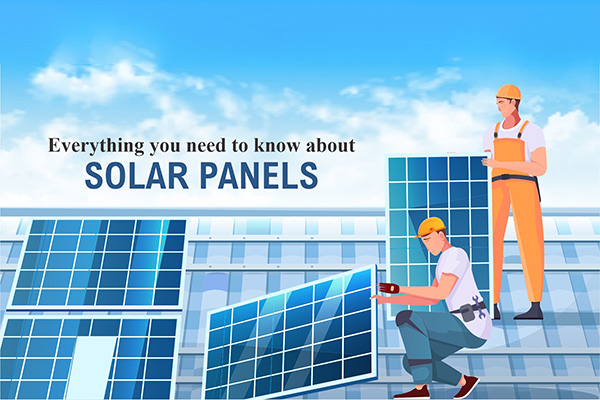
Just like older homes today easily accommodate air conditioners, inverters, or high-speed internet, solar systems can also be integrated without major structural changes. Solar panels are installed using mounting structures on rooftops, and systems are customised based on:
th different wattages.
- Roof size
- Sunlight direction
- Existing electrical setup
What this means for you:
Whether you live in an independent house, an older property, or a small residential setup, you can leverage the benefits of solar by installing a system tailored to your space, energy needs, and budget.
Tip: Consider professionals like the UTL Solar team for site assessment. They can help you determine the right system size and ensure smooth installation without structural risks.
Myth 3: Solar Installation Is Too Expensive
Fact: Solar is an investment that pays for itself over time.
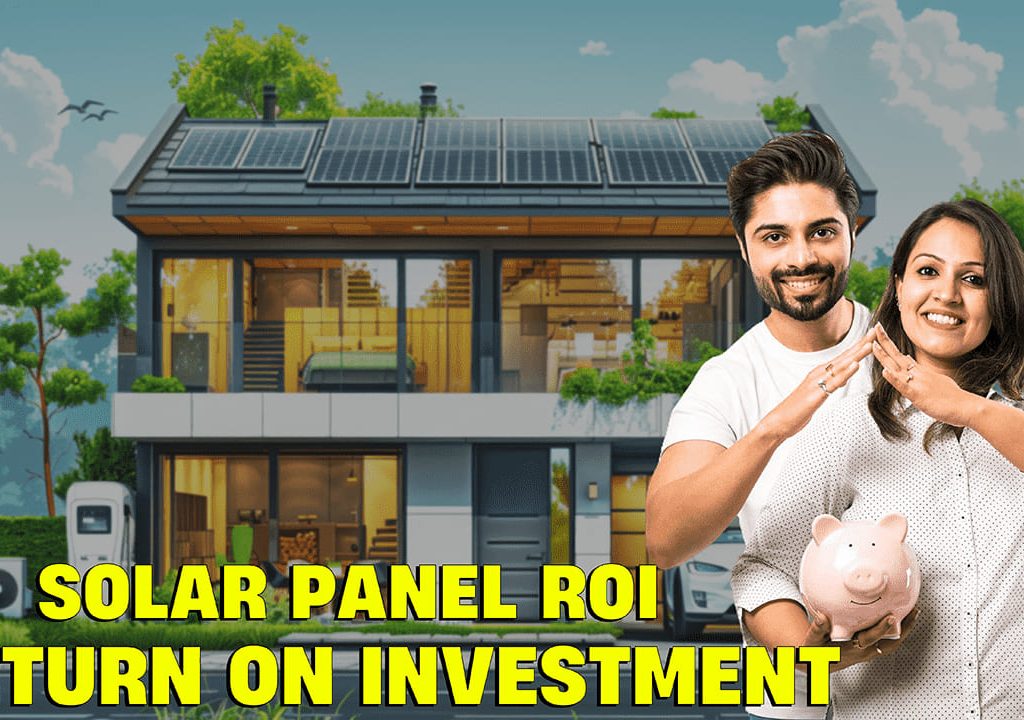
At first glance, the upfront cost of solar may seem high, but looking at it as an expense is the wrong perspective. Electricity prices continue to rise every year and solar allows you to lock your energy costs for decades. Most systems recover their cost in approx 3–5 years, and after that, the electricity you generate is essentially free. Additionally, government initiatives like the Pradhan Mantri Surya Ghar Muft Bijli Yojana make solar more affordable by offering subsidies to homeowners.
What this means for you: Instead of paying increasing electricity bills, you shift to a one-time investment with long-term returns.
Tip: Consult the trusted manufacturers like UTL Solar who offer EMI and financing options to make every solar installation more budget-friendly.
Myth 4: Solar Installation Will Damage My Roof
Fact: Proper installation can actually help protect your roof.
This concern usually comes from poor installation experiences. In reality, professionally installed solar panels do not damage your roof.
Instead, they:
- Act as a protective layer against heat and UV rays
- Reduce direct exposure to rain and dust
- Use secure mounting structures designed for durability
What this means for you: With secure mounting and proper sealing, solar systems are built for long-term performance without affecting your roof’s structure.
Tip: Ask your professional solar installers for a site assessment report and mounting plan before installation. It helps you understand how your roof will be handled and ensures there is no unnecessary structural impact.
Myth 5: Solar Systems Can Only Power a Few Appliances
Fact: Modern solar systems are scalable and can power everything from basic loads to heavy-duty appliances. It depends on system design and capacity.
This misconception usually comes from smaller or outdated systems that were limited in output. Today, solar technology has advanced significantly, allowing systems to be customized based on actual household or business energy needs. The number of appliances a solar system can run is not restricted by solar energy itself, it depends on key factors such as:
- System size (kW capacity)
- Inverter capability
- Battery storage (if included)
For example, a smaller system may support essential loads like lights, fans, and a television. However, a well-sized system, typically around 5 kW or above, can comfortably run high-consumption appliances such as air conditioners, refrigerators, washing machines etc.
The type of system also plays an important role:
- On-grid systems can power most appliances with support from the utility grid.
- Hybrid or off-grid systems use batteries which allow you to run appliances even during power cuts or at night.
What this means for you: Solar doesn’t limit what you can power. Instead your system can be designed to match your complete energy needs, from basic usage to running an entire household.
Tip: Plan your solar system based on your total electricity consumption, not just current usage, to ensure it supports both present and future needs.
Myth 6: Solar Panels Get Damaged by Strong Winds, Birds, or Animals
Fact: Solar panels are built to withstand harsh outdoor conditions and everyday environmental exposure.
It’s natural to worry that something installed on your rooftop might be vulnerable to wind, birds, or animals. But, the solar panels are tested to endure:
- Strong winds and storms with robust mounting structures
- Impact from debris or minor external contact
- Temperature fluctuations and weather extremes
UTL Solar panels come with IP67 and IP68-rated protection which ensure resistance against dust and water ingress. This level of sealing helps safeguard the system from harsh weather conditions like rain, wind-blown debris, and moisture exposure.
What this means for you: You don’t need to worry about everyday environmental factors damaging your system—solar panels are built for long-term outdoor use.
Tip: Ask your installer about wind-load ratings and mounting structure quality, as these determine how well your system will perform in extreme conditions.
Myth 7: Solar Panels Need Constant Maintenance
Fact: Solar panels are designed to be low-maintenance and operate efficiently with minimal upkeep.
This myth often comes from the assumption that any advanced technology requires frequent servicing. In reality, solar panels have no moving parts, which significantly reduces the chances of wear and tear. Most of the time, panels continue to function efficiently with just occasional cleaning to remove dust, dirt, or debris—especially in areas with high pollution or dust levels. Rainfall often takes care of basic cleaning naturally. Modern solar systems are built for durability and long-term performance, allowing them to operate reliably for years without the need for constant attention.
What this means for you: You don’t need to invest significant time or effort in maintaining your system—solar is designed to be a hassle-free, long-term solution.
Tip: Schedule a basic inspection once or twice a year to ensure optimal performance and identify any minor issues early.
End Note: Clear Facts Help in Making Smarter Solar Choices
Most of these myths trace back to one root cause: outdated information about a technology that has moved on. Rooftop solar today handles cloudy weather, older buildings, heavy appliance loads, and harsh outdoor conditions well within its design limits. The points above cover what usually stalls a decision. What actually decides whether a system performs for 25+ years is the site assessment and installation quality behind it.