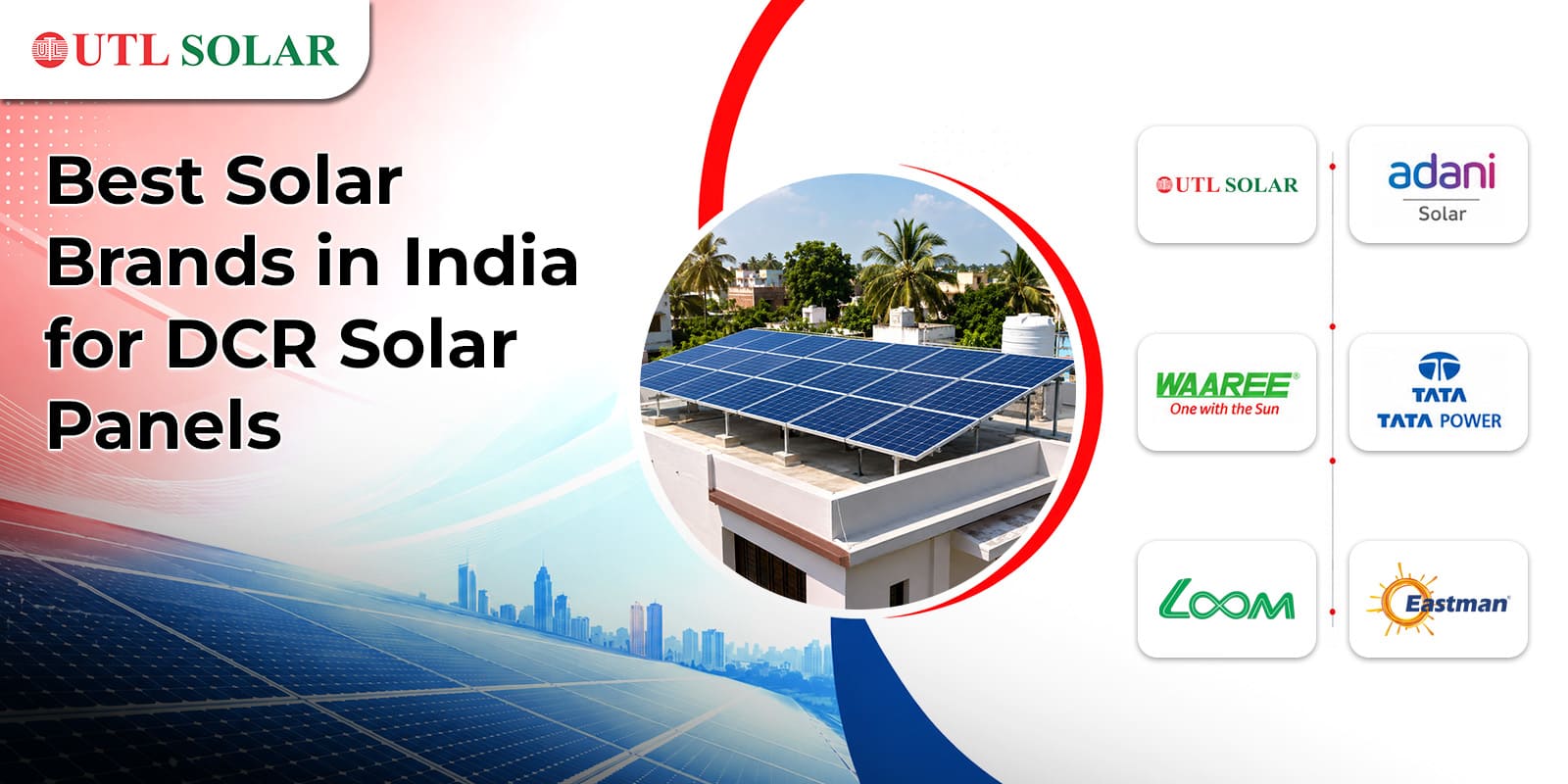
Best Solar Brands in India for DCR Solar Panels
India’s solar industry is approaching a major transition.
From June 1, 2026, solar projects covered under government schemes, net-metering frameworks, and several open-access categories will increasingly depend on modules manufactured using domestically produced solar cells approved under ALMM List-II. The policy marks the next phase of India’s effort to build a self-reliant solar manufacturing ecosystem and reduce dependence on imported solar cells.
For residential buyers, the impact is straightforward. Anyone planning a subsidy-linked rooftop solar installation under schemes such as PM Surya Ghar will need to pay closer attention to module sourcing and manufacturer credentials.
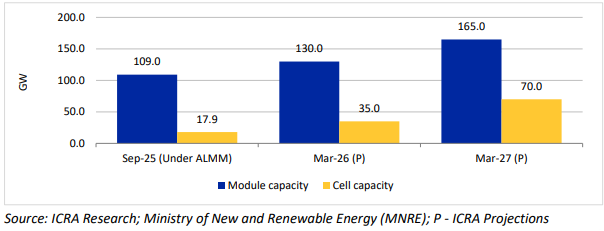
At the same time, India’s solar manufacturing ecosystem is expanding rapidly. According to ICRA estimates based on MNRE data, ALMM-registered solar module manufacturing capacity stood at approximately 109 GW in September 2025 and is projected to reach 130 GW by March 2026. Domestic solar cell manufacturing capacity is expected to nearly double over the same period, rising from 17.9 GW to 35 GW. This expansion is being driven by growing solar demand, ALMM requirements, and investments aimed at strengthening India’s domestic solar supply chain.
More manufacturers mean more options. It also means buyers must look beyond power ratings and brochure specifications.
The best DCR solar panel is not necessarily the one with the highest wattage. Manufacturing capability, technology roadmap, warranty support, service network, and long-term business stability all matter.
What Makes a Good DCR Solar Brand?
Before looking at manufacturers, it helps to understand the factors that separate one solar brand from another.
Manufacturing Strength
As ALMM List-II comes into force, manufacturers with domestic solar cell production are likely to gain importance. Companies that control more of their manufacturing process generally have greater supply-chain visibility and reduced dependence on external suppliers.
Technology Portfolio
Most leading manufacturers now offer:
- Mono PERC
- N-Type TOPCon
- Bifacial modules
The difference is no longer whether a company offers these technologies, but how extensively they have adopted them across their product range.
Warranty Support
A warranty is only as strong as the company standing behind it.
Buyers should evaluate:
- Product warranty
- Performance warranty
- Service infrastructure
- Track record in the market
Availability and Service Network
Solar systems remain operational for decades. Access to dealers, installers, replacement support, and technical assistance can become just as important as panel specifications.
Leading DCR Solar Brands in India
The brands below have been selected based on manufacturing capability, technology adoption, product range, market presence, and relevance to DCR-compliant rooftop solar installations.
The list is not ranked.
UTL Solar
UTL Solar has built its presence across multiple segments of the solar value chain, including solar panels, inverters, batteries, lithium storage systems, and hybrid solar solutions.
The company recently strengthened its manufacturing footprint through the commissioning of a 1 GW Mono PERC DCR solar cell manufacturing facility in Dadri, Uttar Pradesh. This is particularly relevant as India moves toward stricter domestic cell requirements under ALMM List-II.
Unlike manufacturers focused solely on modules, UTL Solar operates across the broader rooftop solar ecosystem. Homeowners can source panels, inverters, batteries, and storage systems from the same manufacturer, simplifying system integration and after-sales support.
The company’s investment in domestic solar cell manufacturing comes at a time when India’s solar industry is placing greater emphasis on local manufacturing and supply-chain development. This expansion adds to UTL Solar’s manufacturing capabilities and broadens its participation across the solar value chain.
Tata Power Solar
Founded in 1989, Tata Power Solar is among the oldest solar manufacturers in India.
The company operates across manufacturing, EPC services, rooftop installations, and utility-scale solar projects.
Tata Power already has integrated cell and module manufacturing capacity and has announced plans for a 10 GW wafer and ingot manufacturing facility that would further expand its presence across the solar manufacturing chain.
For residential buyers, Tata’s biggest strength remains its brand trust and extensive project execution experience.
Waaree Energies
Established in 1989, Waaree has evolved into one of India’s largest solar module manufacturers.
The company operates multiple manufacturing facilities and has become one of the most visible names in both domestic and export markets.
Waaree’s DCR portfolio includes:
- Mono PERC modules
- N-Type TOPCon modules
- Bifacial panels
Its large manufacturing scale and strong dealer network make it one of the most accessible brands for rooftop buyers across India.
Adani Solar
Adani Solar represents one of India’s most vertically integrated solar manufacturing businesses.
The company manufactures solar cells and modules and continues to expand upstream manufacturing capabilities.
This integration gives Adani greater control over production compared to manufacturers that rely heavily on third-party cell procurement.
For buyers, the primary advantage lies in manufacturing scale and supply-chain integration rather than residential market visibility.
Eastman Solar
Eastman entered the solar industry after establishing itself in batteries and power management systems.
Its solar portfolio focuses on:
- DCR-compliant modules
- Rooftop solar solutions
- Energy storage integration
The company’s experience in backup power systems makes it particularly relevant for customers evaluating hybrid solar systems and battery-backed installations.
Loom Solar
Founded in 2018, Loom Solar built much of its visibility through direct-to-consumer sales and digital-first marketing.
The company focuses heavily on newer technologies such as:
- TOPCon modules
- High-efficiency residential panels
- Bifacial products
Loom’s product strategy has generally targeted homeowners looking for premium rooftop solutions rather than large utility-scale deployments.
Which Brand Should You Choose?
The answer depends on the project.
A homeowner focused on subsidy eligibility may prioritize:
- DCR compliance
- ALMM approval
- Installer support
- Warranty coverage
A commercial buyer may place greater importance on:
- Module efficiency
- Manufacturing scale
- Technology roadmap
- Long-term supply-chain stability
The best solar brand is rarely determined by a single specification.
| Brand | Founded | Domestic Cell Manufacturing | Key Technologies | Product Ecosystem | Suitable For |
|---|---|---|---|---|---|
| UTL Solar | 1996 | Yes (1 GW Dadri facility) | Mono PERC, TOPCon, Bifacial | Panels, Inverters, Batteries, Storage | Residential, Commercial |
| Tata Power Solar | 1989 | Yes | Mono PERC, TOPCon | Primarily Solar Solutions | Residential, Utility |
| Waaree Energies | 1989 | Yes | Mono PERC, TOPCon, Bifacial | Primarily Modules | Residential, Commercial, Utility |
| Adani Solar | 2015 | Yes | Mono PERC, TOPCon, Bifacial | Primarily Manufacturing | Utility, Commercial |
| Eastman Solar | 2006 | Limited Public Focus | Mono PERC, Bifacial | Solar + Storage Solutions | Residential, Hybrid Systems |
| Loom Solar | 2018 | Module Focus | TOPCon, Bifacial | Residential Solar Products | Rooftop Solar |
Final Thoughts
India’s solar market is moving beyond simple module assembly and toward integrated domestic manufacturing. With ALMM List-II coming into effect and domestic cell production becoming increasingly important, buyers should look beyond panel wattage and marketing claims.
A strong DCR solar brand today is one that combines manufacturing capability, technology adoption, warranty support, and long-term business stability. Those factors will have a greater impact on system performance over the next 25 years than a small difference in module efficiency.
Disclaimer:
This article is intended for informational and educational purposes only. The brands discussed have been selected based on publicly available information, manufacturing capabilities, market presence, and product offerings. The list does not represent a ranking, endorsement, or recommendation, and buyers should independently evaluate products, warranties, certifications, and project requirements before making a purchase decision.