Why More Hospitals are Switching to Hybrid Solar System
Hospitals depend on uninterrupted power for critical operations such as ICUs, diagnostic labs, emergency wards, and surgical equipment. With rising electricity costs and heavy reliance on diesel generators, many healthcare facilities are now exploring more reliable and cost-efficient energy solutions.
This shift is becoming visible across multiple Indian states. In Uttar Pradesh, Max Super Speciality Hospital in Noida started sourcing solar power through a 15 MW solar project, a move expected to reduce electricity costs by nearly 50% while improving overall power efficiency.
As medical infrastructure looks for more dependable and cost-effective energy solutions, hybrid solar systems are gaining attention. By combining solar power, battery storage, and grid connectivity into a single setup, these systems help healthcare facilities improve energy reliability while reducing pressure on conventional backup systems. Let’s explore why hybrid energy infrastructure is becoming increasingly important for hospitals.
Keeps Hospitals Powered Around the Clock
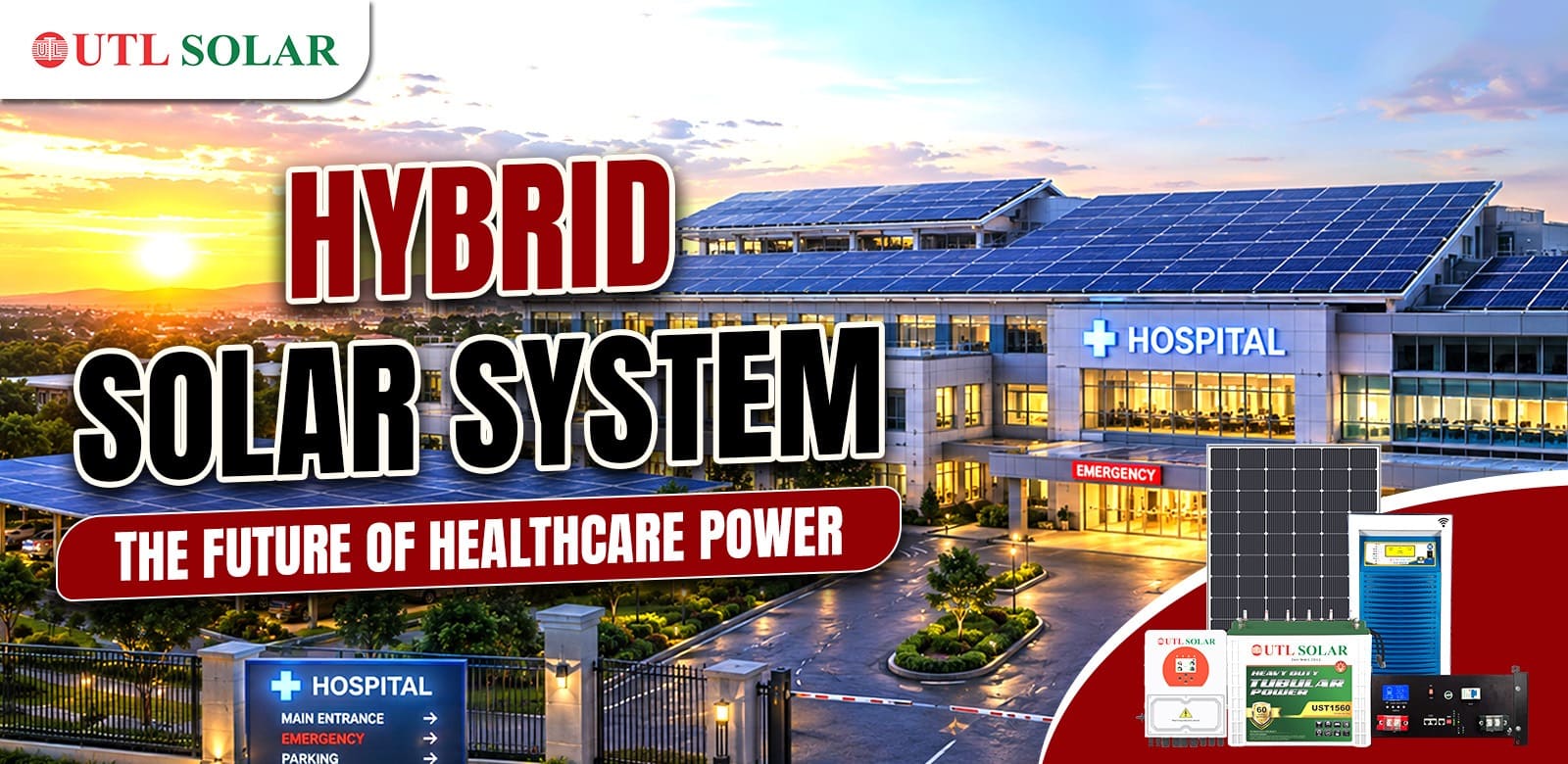
A hybrid power system combines solar panels, battery storage and grid connectivity into a single integrated energy setup.
During the day, solar panels generate electricity that can directly power hospital operations. Excess energy can be stored in batteries for later use. When solar generation drops during evenings or cloudy conditions, or when electricity demand increases, the system automatically draws power from battery storage or the grid. The hybrid inverter manages this entire process by controlling how electricity moves between solar panels, batteries, and the grid.
In practical terms, this allows hospitals to:
- Use solar energy during daytime operations
- Maintain battery backup during outages
- Switch between power sources automatically
Reduces Dependence on Diesel Backup Systems
Many hospitals use diesel generators as part of their backup infrastructure during grid failures and peak demand periods. However, frequent generator usage increases fuel expenses, maintenance requirements, and operational noise. With hybrid power systems, healthcare departments reduce generator runtime by utilizing solar-generated electricity during the day and stored battery power when needed. This allows them to use diesel backup more selectively rather than as the primary or secondary power source.
Improves Control Over Rising Energy Expenses
Hospitals require continuous electricity to support patient care, emergency services, cooling systems, medical equipment, water supply operations, and round-the-clock facility management. With the h expanding healthcare infrastructure and increasing energy usage across departments, electricity expenses continue to place additional pressure on overall operational costs.
Hybrid solar Integration helps them utilize solar power during daytime operations while using battery storage and grid support based on power availability and demand conditions. This allows hospitals to reduce excessive dependence on conventional electricity sources during high-consumption periods.
Strengthens Long-Term Energy Reliability for Healthcare Facilities
For medical centers, energy reliability involves more than emergency backup alone. They require stable and dependable power infrastructure that can support continuous operations every day. Hybrid solar solutions add another layer of energy support by combining multiple power sources within a single setup. This helps hospitals improve operational resilience while reducing pressure on conventional backup systems during grid instability or extended outages.
Improves Control Over Rising Energy Expenses
Hybrid solar Integration helps them utilize solar power during daytime operations while using battery storage and grid support based on power availability and demand conditions. This allows hospitals to reduce excessive dependence on conventional electricity sources during high-consumption periods.
Adapts More Easily to Expanding Hospital Infrastructure
As hospitals expand departments, increase patient capacity, and introduce advanced medical technologies, electricity demand also grows. Hybrid energy setup offers flexible integration options that can support evolving energy requirements over time. This makes them more practical for healthcare facilities planning long-term infrastructure expansion or modernization projects.
Traditional Hospital Backup Systems Are Becoming Insufficient
Most hospitals still rely on a combination of grid electricity and diesel generators for backup support. While this model has worked for years, it is becoming increasingly difficult to sustain under current energy conditions. Diesel generators come with rising operational costs. Fuel price fluctuations and long runtime hours add significant financial and operational pressure on healthcare facilities.
At the same time, electricity demand inside hospitals is increasing rapidly. Modern healthcare infrastructure now includes advanced imaging systems, digital monitoring equipment, automated labs, and large-scale HVAC systems operating continuously throughout the day.
Frequent DG usage can increase:
- Maintenance intervals
- Engine servicing requirements
- Lubrication and spare part expenses
- Operational downtime risk
Final Thoughts
Hospitals that are evaluating hybrid power setups today are preparing for a future where healthcare facilities must operate with greater stability under rising demand, expanding infrastructure, and increasing pressure on conventional backup systems.
This shift reflects a larger change in how hospitals now approach infrastructure planning. Hybrid power systems are way beyond just alternative energy solutions. They are gradually becoming part of the hospital’s long-term operational strategy, especially as healthcare environments become more technology-driven and energy-intensive.