What to Check Before Buying Solar Panels in India (2026 Guide)
What to Check Before Buying Solar Panels in India (2026 Guide)
Choosing solar modules in India has become more challenging as the market continues to expand with new technologies, efficiency ratings, and pricing options. For most homeowners, the difficulty is not deciding whether to adopt solar, but understanding which panels can deliver reliable performance and lasting value.
This decision matters because solar PV modules directly influence how much electricity a rooftop installation can generate over time. Factors such as panel efficiency, manufacturing quality, and degradation rate affect both energy output and long term savings that make panel selection far more important than a simple price comparison.
Here are the most important checks to make before selecting solar panels in India to ensure reliable performance and better value over time
Calculate the Right Solar Panel Capacity for Your Household
Look at your last 6–12 months of consumption and calculate your average monthly units (kWh). Then, convert this into required solar capacity. In Indian conditions, 1 kW of PV module typically generates around 120–150 units per month. Divide your monthly consumption by this number to get an approximate system size.
For example, if your home consumes 600 units per month:
600 ÷ 120 = ~5 kW system
Now comes the critical part that is including a performance buffer while estimating system size. Seasonal generation fluctuations, dust accumulation, panel degradation, and future increases in electricity consumption can all affect long term energy production.
So, increasing your calculated capacity often leads to better sustained results. Instead of sizing your panels for perfect conditions, size them for consistency. That’s what ensures your system continues to deliver meaningful savings throughout the year.
Know the Different Solar Panel Technologies
Understanding panel technology helps you choose the right product that fits your needs and budget:
Monocrystalline Solar Modules
- Higher Efficiency Output
- Better Space Utilization
- Stronger Performance in Real Conditions
- Sleek and Modern Appearance
- Higher Initial Investment (results in better lifetime value)
Polycrystalline Solar Modules
- Cost-Effective Option
- Moderate Efficiency
- Requires More Roof Space
- Stable and Proven Technology
- Slightly Lower Output per Panel
Advanced Solar Cell Technologies You Should Know
Beyond basic types, most modern panels now come with advanced cell designs that significantly improve performance:
- PERC (Passivated Emitter and Rear Cell)
Improves light absorption by reflecting unused sunlight back into the cell which increases overall energy generation. - Half-Cut Cell Technology
Splits solar cells into halves which reduces resistance losses and improves performance. - TOPCon (Tunnel Oxide Passivated Contact):
A high-efficiency technology that offers better performance, lower degradation and improved output in real-world conditions. - Bifacial Panels:
It can generate power from both sides (front and reflected light from the back) to increase total energy yield.
Look for Build Quality & Durability
Solar panels are designed for years of operation, so build quality directly affects how well they perform over 25–30 years.
- Strong Frame & Glass: Durable aluminium frames and tempered glass help protect panels from physical stress, impact and outdoor exposure over time.
- Weather Resistance: IP-rated junction boxes, such as IP65 or IP67, provide better protection against dust, humidity, and heavy rainfall in outdoor environments.
- Certifications: Recognized standards such as BIS certification indicate that the panels have undergone quality and safety testing for reliable performance.
- Degradation Control: Low degradation rates help panels maintain more stable electricity generation and long term efficiency over their operational life.
Review Performance Warranty and Product Warranty Terms
Solar modules are expected to last decades, but their reliability depends on the warranty backing them. Not all warranties are the same, so understanding what you’re actually covered for is essential before making a decision.
- Product Warranty (8 – 10 years): Covers manufacturing defects, material issues, and physical failures. This ensures the panel itself is built to last.
- Performance Warranty (25 years+): Guarantees that panels will maintain a certain level of output over time (usually ~80–85% after 25 years).
Some brands offer longer warranties but attach stricter conditions that may limit actual coverage, so pay attention to that. It’s equally important to choose a manufacturer with a strong presence in India which ensures that any warranty claims can be handled efficiently when needed.
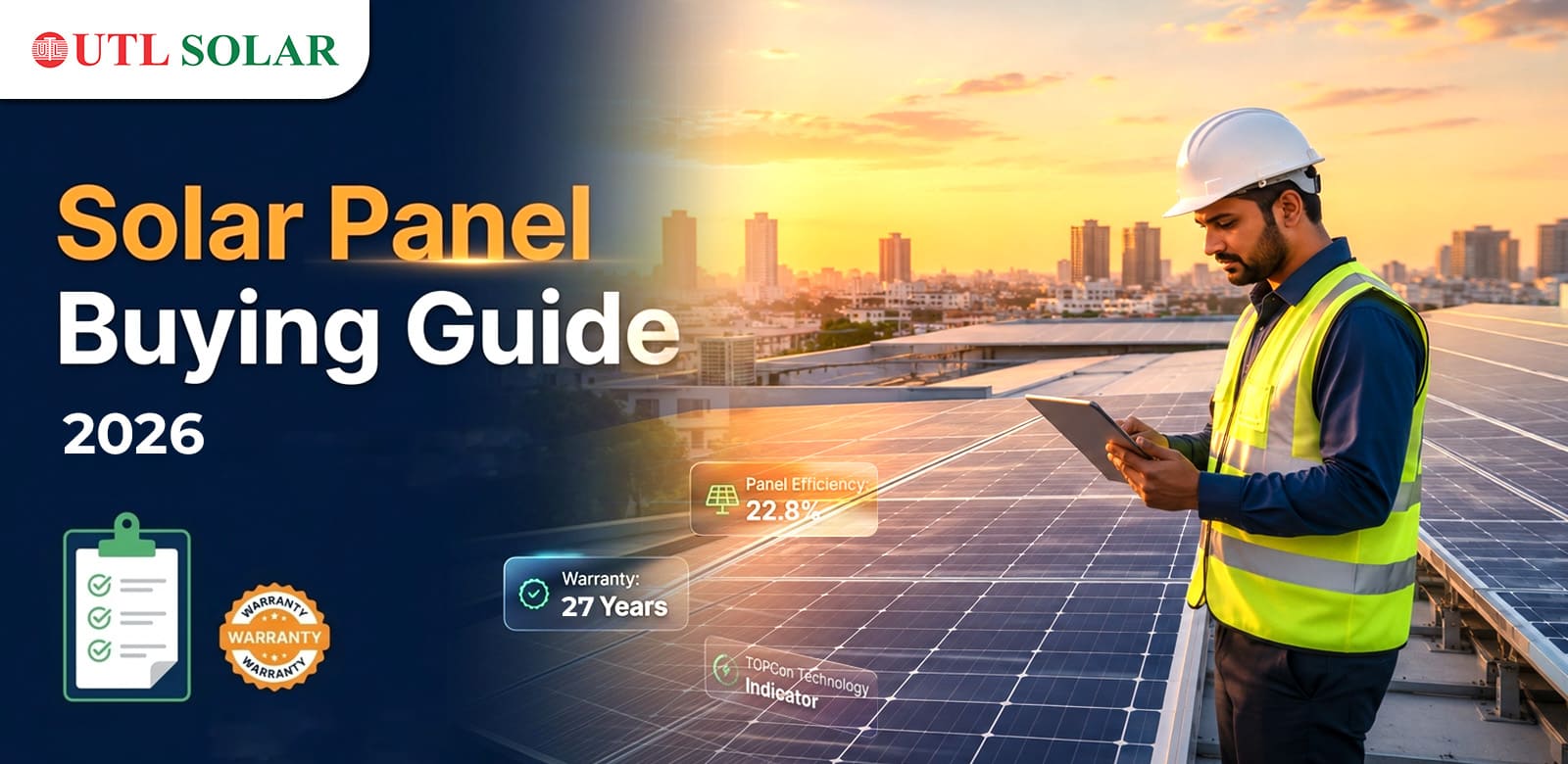
For example, established Indian solar manufacturers like UTL Solar, with nearly three decades of industry experience, offer extended solar panel performance warranties of 27 years. Such longevity in the market reflects not just product confidence, but also a proven ability to honor long-term commitments, an important factor buyers should weigh carefully when comparing options.
Ensure Solar Modules are Compatible with Inverters and Future Upgrades
Even high-quality PV panels can underperform if they’re not properly matched with compatible components.
- Inverter Compatibility: Your solar module should align with the type of inverter you plan to use, whether it’s on-grid, off-grid, or hybrid. Proper matching ensures efficient energy conversion and stable performance.
- Battery Readiness: If you’re considering energy storage now or in the future, your panel setup should support smooth integration with battery systems without requiring major changes.
- Smart Monitoring Integration: Modern solar setups often include monitoring platforms that track performance in real time. Panels should work seamlessly within such systems to give you better visibility and control over your energy generation.
Understand DCR vs Non-DCR Solar Panels
When buying power generation modules in India, you’ll often come across the terms DCR (Domestic Content Requirement) and Non-DCR. This distinction mainly matters if you’re planning to avail government subsidies.
- DCR Solar Panels: These panels are manufactured using cells and modules made in India. They are mandatory if you want to claim government subsidy under PM Surya Ghar Muft Bijli Yojana.
- Non-DCR Solar Panels: These panels use imported solar cells, often sourced from large international manufacturers. They are commonly chosen for commercial projects or residential installations where subsidy eligibility is not a priority.
Final Thought
Buying solar panels in 2026 is about making a smarter, future-ready energy investment. With rising electricity costs and evolving energy needs, the focus has shifted from simple adoption to informed decision-making. The real value comes from selecting the right capacity, dependable technology, and a setup that matches your future energy requirements.
A well-planned solar investment brings consistency and predictability to your energy expenses. When done right, it becomes a solution that delivers performance, savings, and peace of mind for decades.