
In a one-of-its-kind session of Budget Manthan 2026, host Asha Jha welcomed a remarkable voice whose journey from an engineering student to one of India’s entrepreneurial success stories is nothing short of cinematic.
Today, we bring you that inspiring conversation with Pawan Garg — Chairman and Joint Managing Director of Fujiyama Power Systems, unpacked with insights every student, entrepreneur, and solar enthusiast must read.
The Beginner’s Story: From Two Engineering Graduates to Industry Builders
Fast-forward to today: the company they seeded has evolved into a ₹1,500 crore-plus enterprise (and growing) — yet Pawan Garg still says he feels like he just stepped out of college. That simplicity, humility, and hunger haven’t faded with success.
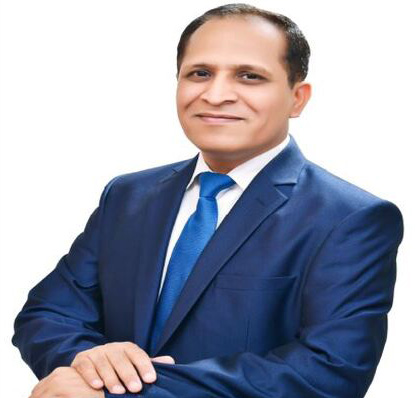
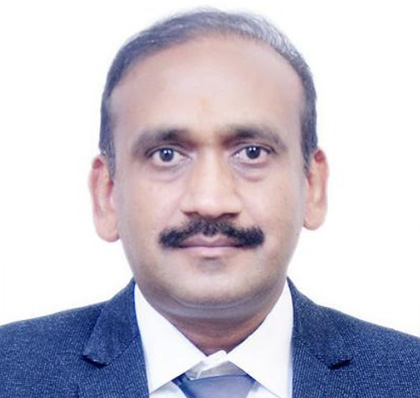
Why Not a Job? Why Build an Enterprise?
That instinct led him to propose a startup idea to his classmate Yogesh in the fifth semester. Together, they experimented, built, failed, and finally found their breakthrough with inverters — a product that, once launched, sold like wildfire.
Budget 2026 & Solar: A Turning Point for Rooftop Deployment
🔹 ₹22,000 crore allocated to the Pradhan Mantri Surya Ghar Muft Bijli Yojana — up from ₹20,000 crore last year. This scheme seeks to expand clean power generation across homes nationwide.
This isn’t merely budgetary increase — it’s a strategic nudge toward distributed energy independence, energy cost savings for households, and broader climate targets.
Pawan Garg calls this shift historic — but he’s also candid about why adoption hasn’t been faster.
Why Aren’t Rooftop Solar Systems Being Adopted Faster?
- Awareness gaps
- Financing frictions
- Complex subsidy access
How Solar Actually Saves Your Money
- A typical 3 kW rooftop solar system, after subsidies and financing, can pay for itself in under 3 years.
- That translates into bill savings, energy independence, and even potential income (if excess power is routed into the grid).
Advice for Young Entrepreneurs & Startups
Fujiyama runs apprenticeship programs, training nearly 500 youth per year
They operate UTL Shopy outlets — over 1,100 local shops trained and empowered as solar vendors.
Young founders can start a business with ₹4–8 lakh, sometimes even zero initial capital under the company’s guidance.
“Start small,” Pawan says, “learn fast, and scale with conviction.”
Budget 2026’s Solar Trajectory and India’s Energy Story
- Distributed generation
- Reduced transmission losses
- Job creation
- Decentralized entrepreneurship
What’s Next For India’s Solar Future?
- We must expand decentralized solar access.
- We must strengthen manufacturing and supply chains.
- Young innovators must step up.
Final Takeaway: Be the Employer of Tomorrow
“Don’t wait for tomorrow. Your opportunity starts today.”